
Overview
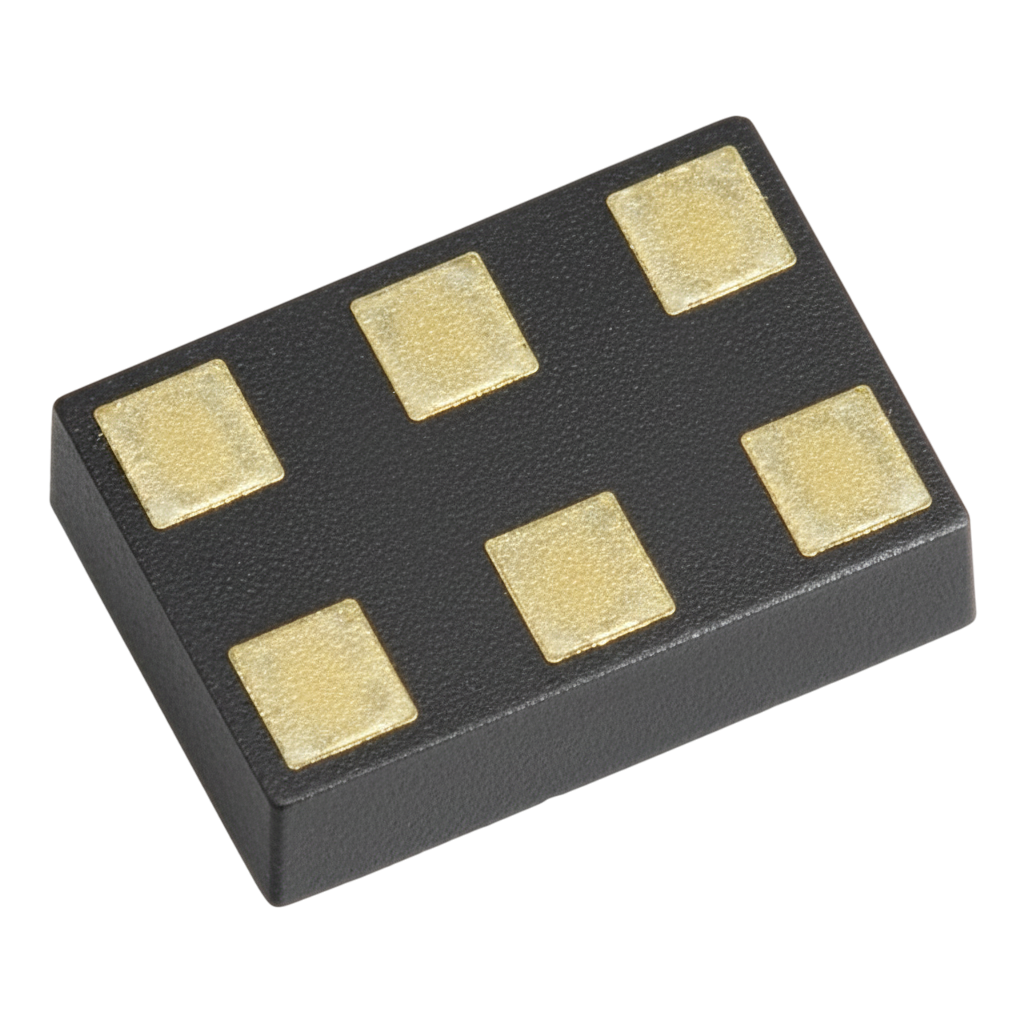
The Infineon BGA-725L6 E6327 is a dedicated low-noise amplifier designed for Global Navigation Satellite Systems (GNSS) including GPS, GLONASS, Galileo and BeiDou. It supports the frequency range of 1.55 GHz to 1.615 GHz and features about 20 dB of gain and a noise figure of 0.65 dB, making it very effective at amplifying weak RF signals from satellites with minimal additional noise.
Operating from a very low supply voltage (1.5 V to 3.6 V) and drawing only ~3.6 mA of current, this device is tailored for low-power portable or battery-operated GNSS front-end applications. Its small form factor (TSLP-6-2/DFN-6 variant) ensures minimal PCB footprint and simplifies integration into compact systems.
The BGA-725L6 family is built on Infineon’s “B7HF” silicon germanium technology, offering robust RF performance in harsh conditions.
Key Features & Specifications
| Parameter | Value / Characteristic |
|---|---|
| Manufacturer | Infineon Technologies |
| Manufacturer Part Number | BGA-725L6 E6327 |
| Frequency Range | 1.55 GHz to 1.615 GHz |
| Gain (typical) | ~20 dB |
| Noise Figure (typical) | 0.65 dB |
| Supply Voltage | 1.5 V to 3.6 V |
| Supply Current | ~3.6 mA |
| Output 1 dB Compression Point (P1dB) | approx. -15 dBm (typical) |
| Package / Mounting Style | Surface-mount, 6-lead TSLP-6-2 / DFN-6 |
| Operating Temperature Range | -40 °C to +85 °C |
| Technology | Silicon-Germanium (SiGe) B7HF |
Application & Use-Cases
This component is particularly suited for applications where very weak RF signals must be amplified with minimal added noise, in compact, low-power systems. Typical use-cases include:
-
Front-end amplification in GNSS receivers: GPS, Galileo, GLONASS, BeiDou
-
Portable or mobile GNSS devices: handheld receivers, wearable location trackers, drones/UAVs
-
Embedded systems requiring precise satellite positioning (automotive telematics, fleet tracking, autonomous vehicles)
-
Compact IoT modules with location capabilities
-
Any RF front-end where footprint, power consumption and noise figure are critical design constraints
Reviews
There are no reviews yet.